
Connecting Talent with Opportunity
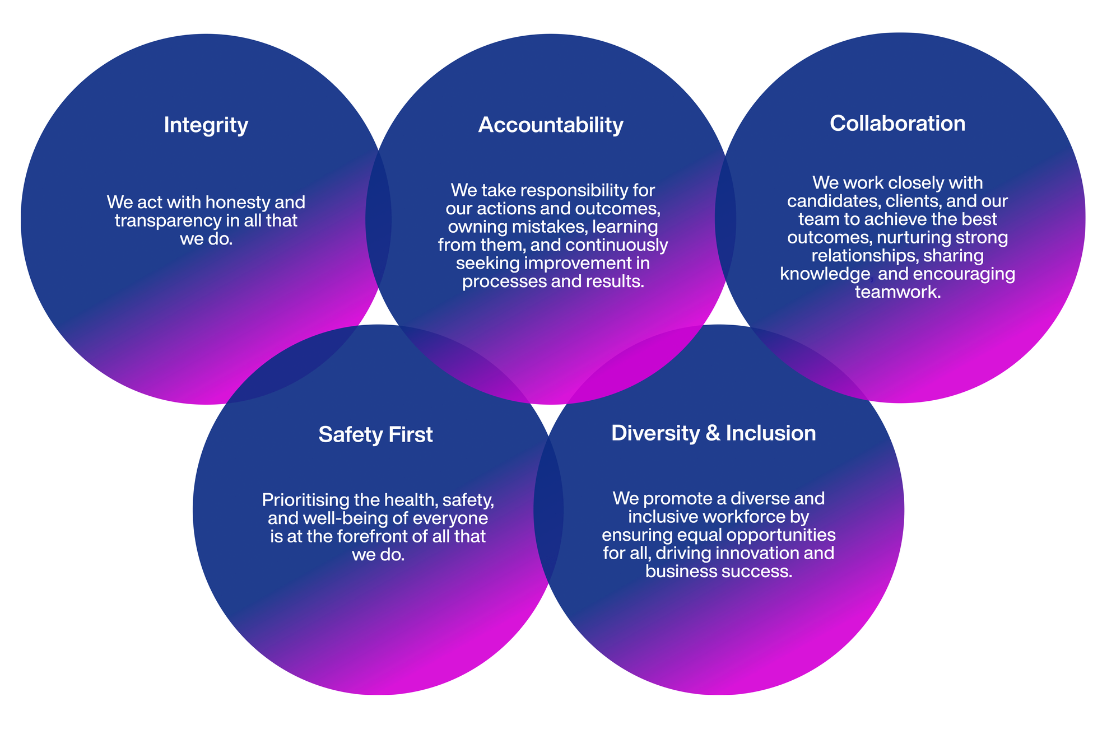
Our Values


Specialisations












News & Blogs

When you’re looking for a new job, it’s easy to focus on the obvious things. Your resume is up to date. You have the right experience. You’ve prepared for the interview. You’ve applied for the role. But when you work in recruitment, you start to notice the smaller things too. After speaking with candidates, working with employers and seeing how different people approach the job search, recruiters pick up on details that might not always be obvious to candidates. There’s no secret formula for getting a job. Instead, it’s about the little things that help recruiters understand who you are, what you’re looking for and whether an opportunity could actually be the right fit. How You Communicate Communication starts before the interview. The way you respond to a phone call, email or message can give a recruiter an early idea of how you communicate with others. Are you clear? Do you respond when you say you will? Can you explain what you’re looking for without making things unnecessarily complicated? These might seem like small details, but communication is part of almost every workplace. For recruiters, those early conversations can provide useful context that a resume simply can’t. How Quickly You Respond Recruiters understand that everyone is busy. You might be working, studying, looking after a family or simply not have your phone in your hand all day. But when you’re actively looking for work, being reasonably responsive can make a difference. Recruitment can move quickly. An employer might be ready to arrange an interview, request further information or make a decision, and being difficult to reach can sometimes mean an opportunity moves forward without you. It’s not about replying instantly. It’s about keeping communication open when you’re in the middle of a job search. Whether You Actually Know What You’re Looking For “I’m open to anything” is something recruiters hear regularly. And sometimes, you genuinely are. But the more recruiters understand about what you want, the easier it is to identify opportunities that make sense for you. The type of work you enjoy, your preferred hours, location, salary expectations, career goals and the kind of workplace you want can all help narrow things down. You don't necessarily need to have your entire career mapped out. Even having a general idea of what you do and don’t want can make those conversations much more useful. The Questions You Ask Recruitment isn’t just about recruiters asking questions. The questions candidates ask can tell recruiters a lot about what matters to them. Someone might want to know more about the team they’ll be joining. Someone else might be interested in progression, working hours, responsibilities or the day-to-day environment. There isn’t a “right” question to ask. What matters is that the conversation helps both sides understand whether the opportunity is actually suitable. How You Handle What You Don’t Know No candidate knows everything. You might be asked about a system you haven’t used, a responsibility you haven’t had before or an area where your experience is limited. Recruiters don’t necessarily expect you to have an answer for everything. Being honest about what you know, what you don’t know and what you’re willing to learn can provide much more useful information than trying to bluff your way through something. Sometimes, the way you handle something you haven’t experienced before tells a recruiter more than having the perfect answer would. How You Talk About Previous Roles Not every job is going to be the right fit. Maybe the workplace wasn’t what you expected. Maybe you wanted more responsibility. Maybe the hours no longer suited you. Or maybe you simply reached a point where you were ready for something different. Recruiters understand that. What can be useful is how you explain those experiences. You can be honest about what didn’t work while still keeping the conversation professional and focusing on what you learned or what you’re looking for next. It gives recruiters a better understanding of what you want to move towards, rather than just what you want to move away from. Whether the Opportunity Actually Makes Sense A candidate can have all the right experience and still not be the right match for a particular role. Salary expectations, working hours, location, responsibilities, availability and long-term goals can all play a part. That’s why recruitment involves more than simply looking at whether someone meets the requirements. The role needs to make sense for the candidate, just as the candidate needs to make sense for the employer. Sometimes, the best outcome is recognising that a particular opportunity isn’t the right one and continuing the search for something that is. The Little Things Between Conversations There’s also everything that happens around the main conversations. Providing information when it’s requested. Turning up when you say you will. Letting someone know if your circumstances change. Keeping communication open throughout the process. None of these things guarantee a job. But together, they can give recruiters a better understanding of how someone approaches communication, commitments and professional relationships. What You Can’t See on a Resume A resume gives recruiters a starting point. It tells us where you’ve worked, what you’ve done and the experience you’ve gained. But it can’t always show how you communicate, what you’re actually looking for, how you approach new situations or what kind of workplace you’ll thrive in. That’s why the conversations around a resume are so important. Two candidates can have very similar experience on paper and still be completely different people with completely different expectations and strengths. Understanding those differences is a big part of recruitment. Recruitment Is About More Than Matching a Resume to a Job Recruitment isn’t simply about finding someone who ticks every box. It’s about understanding the role, understanding the employer and understanding the person behind the resume. At TCB Recruitment, we work with both employers and candidates to understand those details and help connect people with opportunities that make sense for both sides. Because sometimes, the things that matter most aren’t the things you can see on a resume.

For a long time, recruitment has followed a fairly simple pattern. Someone leaves. A position becomes available. A job advertisement goes up. Applications come in. Interviews happen. Someone gets hired. Simple, right? Not always. In a competitive employment market, waiting until a position becomes vacant can leave businesses scrambling to find the right person, particularly when the skills or experience they need are already in high demand. More businesses are starting to look at recruitment differently. Instead of treating hiring as something that happens only when a vacancy appears, they're taking a more proactive approach by building talent pipelines and relationships with potential candidates before they urgently need them. So, what does that actually look like? Moving Beyond the Job Advertisement Job advertisements still have an important place in recruitment. They're a great way to reach people who are actively looking for their next opportunity. But they're only one part of the picture. If a business only starts thinking about talent when a position becomes available, they're immediately working against the clock. There may be a limited number of suitable candidates actively looking. The perfect person might not be available. And the longer the position remains vacant, the more pressure can fall on the rest of the team. A talent pipeline takes a different approach. Instead of: Vacancy → Job ad → Applications → Hire Businesses can start thinking: Future need → Identify skills → Build relationships → Hire when the opportunity arises It's a shift from reactive recruitment to proactive talent management. What Is a Talent Pipeline? A talent pipeline is essentially a pool of potential candidates who could be suitable for current or future roles within a business. That doesn't necessarily mean having a list of people waiting for a job to become available. It can mean staying connected with strong candidates you've previously spoken to, keeping an eye on people with in-demand skills, building relationships within your industry and understanding where potential talent could come from. For example, a candidate might not be ready to make a move today, but that doesn't mean they won't be the perfect fit six months from now. Keeping that relationship open means you're not starting from scratch when a role eventually becomes available. Why Businesses Are Thinking Further Ahead One of the biggest advantages of a talent pipeline is simply being prepared. If you know your business is growing, expanding into new areas or likely to need particular skills in the future, you can start thinking about the people you'll need before the demand becomes urgent. This is particularly valuable for roles that are difficult to fill or require specialised experience. Instead of asking: “Who can we find right now?” You can ask: “Who will we need, and how can we build a relationship with those people?” That change in mindset can make recruitment more strategic and give businesses a much better understanding of the talent available to them. Recruitment Is Becoming More Relationship-Driven Recruitment isn't just about matching a resume to a job description. People move jobs for all sorts of reasons, and not everyone who could be a great candidate is actively looking. Some of the strongest candidates may already be working elsewhere and simply aren't checking job boards every day. That's where relationships become valuable. Getting to know potential candidates, understanding their experience and keeping communication open can create opportunities that wouldn't necessarily come from a traditional job advertisement. It also means that when the right opportunity does come along, there is already a level of familiarity and trust between the candidate and the business or recruitment partner. Technology Has a Role, But People Still Matter Technology is also changing the way businesses approach recruitment. Applicant tracking systems, digital platforms and other recruitment technology can help businesses identify, organise and communicate with potential talent more efficiently. But technology can't replace the relationship side of recruitment. A database can tell you that someone has the right experience. A conversation can tell you what they're looking for, what motivates them and whether the opportunity is actually right for them. The future of recruitment is likely to involve more technology, but that doesn't mean less human connection. It means using technology to make the human side of recruitment more effective. Preparing For What Comes Next Building a talent pipeline doesn't mean businesses need to know exactly who they'll hire months in advance. It means being aware of what's coming. What roles are likely to grow? What skills are becoming harder to find? Where could future talent come from? Are there strong candidates you've already met who could be worth reconnecting with? These are the kinds of questions that can help businesses move from simply filling vacancies to thinking more strategically about their workforce. The Future of Recruitment Is More Proactive The traditional approach of waiting for a vacancy and then starting the search isn't disappearing completely. But businesses that rely on that approach alone may find themselves constantly playing catch-up. The future of recruitment is likely to be more proactive, more relationship-driven and more focused on understanding talent before a position becomes urgent. Because the best time to start thinking about your next hire isn't necessarily when someone hands in their resignation. It's before you need them. By building relationships, understanding future workforce needs and creating a strong talent pipeline, businesses can put themselves in a much stronger position when it is time to hire. Ready to Think Ahead? Recruitment doesn't have to start with a vacancy. Whether you're planning for growth, anticipating future skills needs or simply want to build a stronger talent pipeline, having the right recruitment strategy in place can make all the difference. Talk to the TCB team about how proactive recruitment can help you prepare for what's next.

When you’re considering a new job, it’s easy to focus on the number on the payslip. And while salary is absolutely an important part of any career decision, it shouldn’t be the only thing you consider. A new role can offer a higher salary today, but what does it offer you six months, one year or even five years from now? The best career moves are often the ones that give you opportunities to grow, learn and build towards where you ultimately want your career to go. Looking Beyond The Pay Packet Salary is important. It can reflect your experience, responsibilities and the value you bring to a role. But when choosing a new job, it’s worth looking at the bigger picture. Consider: Career progression: Is there room to take on more responsibility or move into a more senior position? Learning and development: Will you have opportunities to develop new skills or build on the ones you already have? Leadership support: Will you have managers and leaders who support your development and want to see you succeed? Workplace culture: Does the environment feel like somewhere you would enjoy working? Flexibility and work-life balance: Does the role fit with the way you want to work and live? Your personal goals: Does the opportunity move you closer to where you want your career to go? A higher salary can be appealing, but if the role leaves you with no opportunity to grow, poor work-life balance or little support, it may not be the right move in the long run. The Importance Of Career Growth Career progression doesn’t necessarily mean getting promoted every year. Sometimes growth means learning something completely new, taking on greater responsibility or gaining experience that opens doors to future opportunities. When considering a new role, ask yourself: “Will this role help me grow?” Think about the skills you could gain, the experience you could build and the opportunities that may become available to you as a result. A role that gives you the chance to learn and develop can be valuable even if it isn’t the highest-paying opportunity available to you right now. Your next job doesn’t have to be your forever job. But it should ideally help you move in the direction you want your career to take. Finding A Workplace That Fits You can have the right salary and the right job title, but still find that a workplace isn’t the right fit. Workplace culture can have a huge impact on how you feel about your job and your ability to succeed. Think about the type of environment you work best in. Do you value collaboration? Flexibility? Strong leadership? Opportunities to work independently? A supportive team? It’s also worth considering whether the organisation’s values align with your own. Ask yourself: “Does this workplace align with what matters to me?” And don’t forget that an interview is an opportunity for you to assess the employer too. Pay attention to how they communicate, how they talk about their team and whether they give you the opportunity to ask questions. Choosing a new job should be a two-way decision. Making A Long-Term Career Decision When you’re weighing up a new opportunity, try looking beyond what the role offers you right now. Ask yourself: Will I learn new skills? Will I have opportunities to progress? Will I be supported by my manager and team? Does the workplace fit the way I want to work? Does this role move me closer to my career goals? Can I see myself succeeding here? There won’t always be one perfect answer, and sometimes a higher salary will genuinely be the right reason to make a move. The important thing is to consider the whole opportunity rather than making a decision based on one factor alone. A successful career isn’t just about earning more. It’s about building experience, developing your skills and finding opportunities that support where you want to go next. Your Next Move Matters Choosing a new job is a big decision, and the best opportunity isn’t necessarily the one with the biggest salary. Look at where the role can take you, what you can learn along the way and whether the workplace is somewhere you can see yourself succeeding. Because your next role shouldn’t just work for you today. It should help you build the career you want for tomorrow. Looking for a role that supports your career goals? TCB Recruitment can help you explore opportunities that fit your future.